
.png)

Many owners begin with the same question: should they buy paint protection film or a ceramic coating? That is a fair question, but it is not the first one we ask. A proper car protection process starts earlier, with the condition of the paint, the work already done on the vehicle, and the way it will be used after the job is complete. A product can only do its job well if the surface beneath it is ready and the finish above it is cared for.
That is why we think of vehicle protection as a system, not a single purchase. The sequence matters. Prepare the surface correctly. Protect it with the right route for the car and the owner’s goals. Preserve the result with maintenance and condition checks. Skip one step, and the value of the other steps drops. In luxury car protection, that difference can be the line between a finish that looks considered and one that becomes harder to maintain.
Prepare: the inspection and surface prep that protection depends on
We hear the question often: can we just apply PPF or ceramic coating straight away? Sometimes the honest answer is no. Sometimes the paint needs attention first. Sometimes the panel condition, prior polishing, previous resprays or earlier work changes what is safe and what is sensible. That is where the prepare stage earns its place in the vehicle protection process.
Preparation starts with inspection. We assess the vehicle as it arrives, then decide what needs to be corrected, what can be improved, and what should be left alone. That judgement matters. Not every mark should be chased. Not every panel should be pushed further. If the paint tells us that more correction would be unwise, we stop there. That is not hesitation. It is part of responsible detailing and paint correction.
Owners sometimes assume preparation means polishing everything until it looks perfect. In practice, the goal is more precise. We want a surface that is suitable for the protection being installed. That may involve cleaning, decontamination, paint correction, or other preparation steps depending on the vehicle’s condition. The process is not about doing more for the sake of it. It is about doing the right amount of work before a film or coating goes on.
That is also why a good assessment changes the recommendation. A car with freshly painted panels may need a different approach from one with original paint and visible wear. A vehicle that has already been heavily corrected may have less safe margin left in the clear coat. In those cases, preparation is about making a careful decision, not forcing a standard outcome.
Owners should ask clear questions at this stage. What is the current condition of the paint? What is being corrected, and what is being left alone? Is the recommendation based on the vehicle’s actual state, or is it a standard package applied to every car? Those questions help separate a thoughtful car protection process from a simple product sale.
We explain this same thinking in our services/process page, because the process is where the result begins. If the preparation stage is rushed, the protection stage carries the weakness forward. If it is handled properly, the next stage has a better foundation to work from. When a panel needs more careful work, we may point owners towards the paint-correction page so they can understand why correction is part of preparation, not an optional extra.
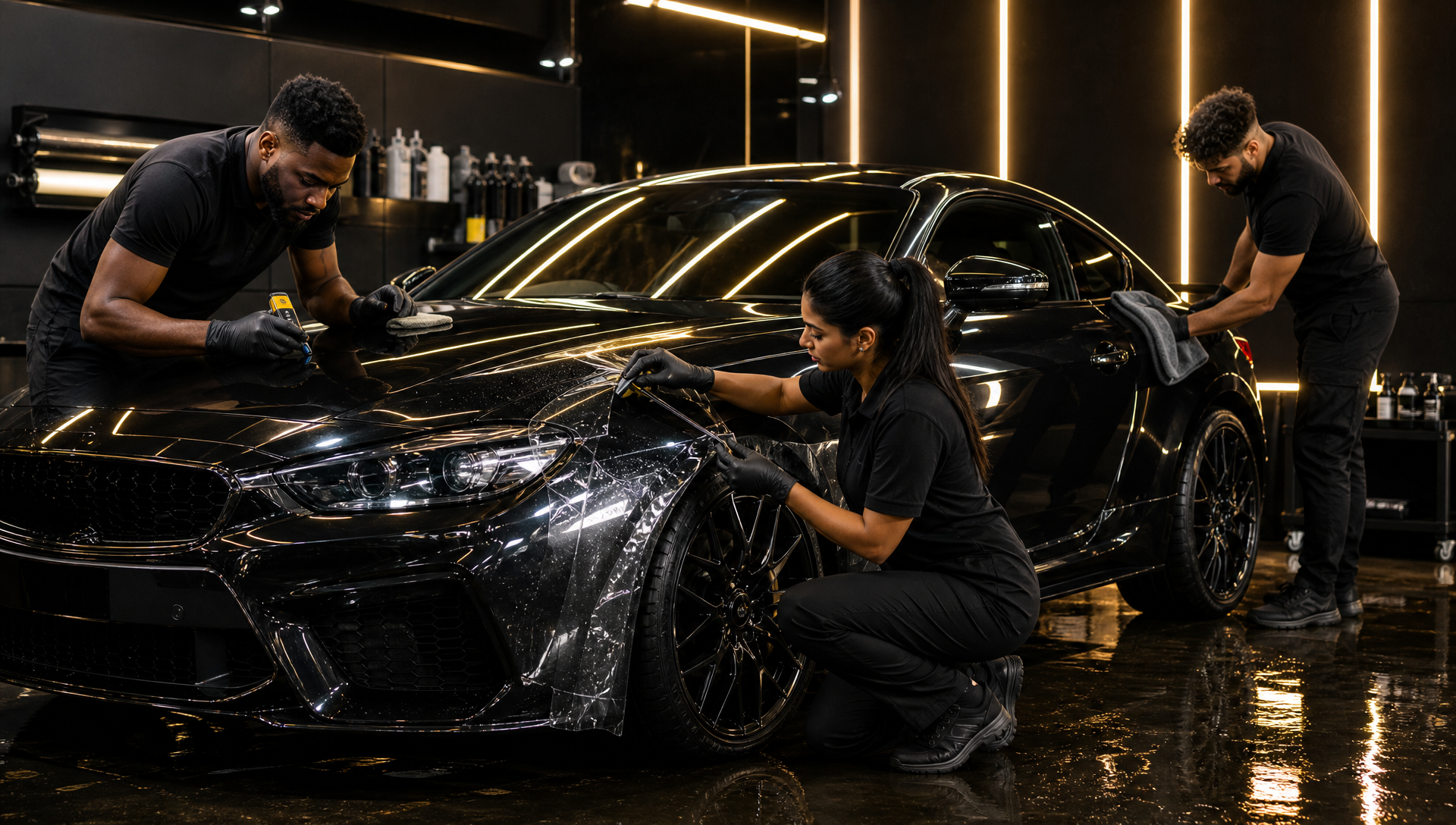
Protect: choosing PPF and ceramic coating based on condition and use
Once the surface has been assessed and prepared, the next decision is protection. This is where many owners want a quick answer: PPF or ceramic coating? The better question is which route suits the vehicle, the finish, and the way the car is used. Not every owner needs every service, and not every vehicle benefits from the same combination.
Paint protection film and ceramic coating do different work. PPF is typically chosen when a physical layer of protection is needed on selected panels or larger areas. Ceramic coating is often chosen to support easier maintenance and a more controlled finish on prepared paint and other suitable surfaces. Both can form part of a considered vehicle protection process, but they are not interchangeable, and they are not always required together.
That is why the prepare stage matters before the protect stage. The surface condition affects what can be installed safely and what recommendation makes sense. If the paint is not ready, the protection is being asked to cover over problems rather than support a finish. That can reduce the value of the work and make the result harder to live with later.
It also matters what the owner expects from the car. A daily-driven vehicle used in changing conditions may call for a different approach from a weekend car that is maintained carefully and sees limited road exposure. A high-value vehicle may need a more cautious balance between visual correction, protection choice and ongoing upkeep. In luxury car protection, the right answer is rarely the same for every owner.
When we recommend PPF and ceramic coating, we look at the vehicle as a whole. We consider the condition of the paint, the areas most exposed to wear, and the owner’s maintenance reality. We do not start with a product and build the story around it. We start with the car. That is how a sensible car protection process should work.
If the question is how the options differ, the most useful answer is this: protection should follow the assessment, not replace it. A quote should reflect the route chosen after the car has been inspected, not before. That is the point where the recommendation becomes credible. It is also the point where the owner can see whether the work is tailored or generic.
For owners wanting to compare routes more closely, our PPF page and our ceramic-coating/detailing page explain the service options in more detail. The key decision, though, remains the same. Choose protection that matches the condition of the paint and the way the car will be used.
Preserve: maintenance and condition checks that protect what’s been done
Some owners think the job is finished the moment the film or coating is installed. In reality, that is when the preserve stage begins. Protection that is not maintained properly loses value faster than most people expect. The finish may still be there, but the performance and appearance of the work become harder to sustain.
Preserve does not mean a complicated routine. It means care that matches the vehicle and the protection on it. It means washing methods that respect the finish. It means noticing changes early, before small issues become larger ones. It means condition checks that help keep the work in line with the standard set during preparation and application.
The reason this matters is simple. If the surface was prepared carefully and the protection was chosen well, poor aftercare can still undermine the result. That is especially true where owners assume a coating or film removes the need for ongoing attention. It does not. Protection should be preserved through ongoing care and condition checks.
This is where our process language matters most. We do not treat aftercare as an extra. It is part of the vehicle protection process from the start. Different vehicles may need different levels of aftercare depending on how they are driven, where they are stored and what the paint looked like before protection. A commuter that lives in traffic and weather needs a different maintenance rhythm from a car that is used less often and kept in more controlled conditions.
That judgement is important because it keeps the advice realistic. If a car needs more careful maintenance, we say so. If a vehicle is likely to be fine with a simpler routine, we do not overstate the job. Preservation is not about selling more steps. It is about protecting the value of the work already done.
Owners should also know what to monitor after installation. Look for changes in appearance, changes in how the surface responds to washing, and any issues that may need review. If something looks different, it is better to check early than to wait. A proper system allows for that. It builds in the expectation that a protected finish still needs care.
That is why the preserve stage belongs in every conversation about luxury car protection. The car does not stop needing attention once the product is on. Good aftercare keeps the finish looking and functioning as intended, and it helps the earlier stages keep their value.
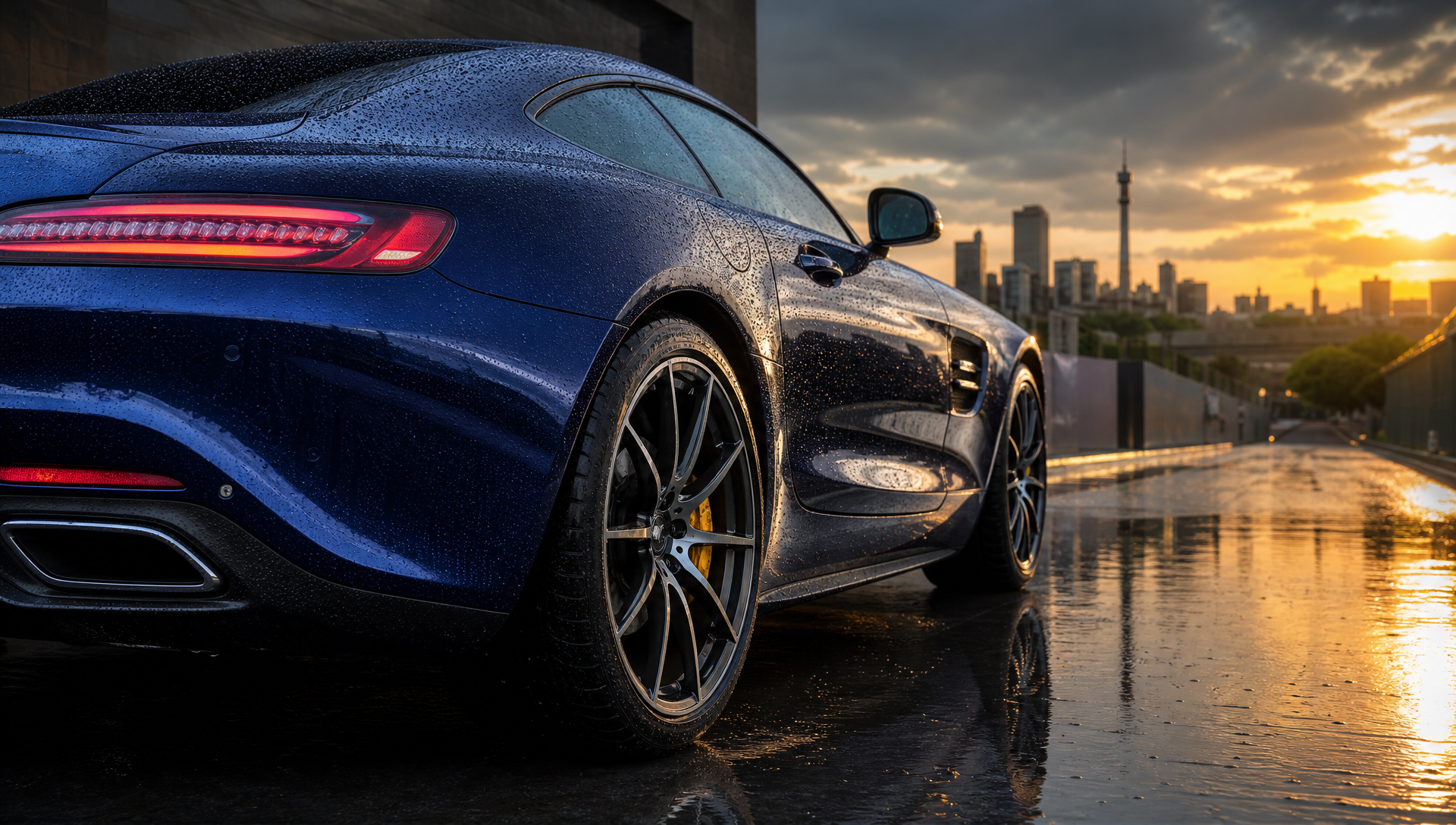
How the car protection process changes from one vehicle to another
The right recommendation depends on more than the product names on a quote. Several real factors change the answer from one car to another. Paint condition is one. Prior polishing or previous correction work is another. Resprayed panels can change the approach as well. So can the owner’s use pattern, storage conditions and expectations for appearance and upkeep.
That is why a standard package is not always the right answer. A car that needs only light preparation should not be treated as though it requires major correction. A vehicle with limited safe correction margin should not be pushed simply to chase a visual target. A finish that will be maintained carefully may support a different route from one that will face heavier day-to-day use.
We look at what can be improved safely, what should be left alone, and what matters most to the owner. That is the judgement behind the car protection process. It keeps the recommendation grounded in the actual vehicle rather than in a fixed idea of what protection should look like.
It also helps owners make better decisions. If a recommendation changes after inspection, that is not a problem. It is evidence that the process is real. The best outcome is not the most expensive package. It is the one that makes sense for the car in front of us. That may be preparation first, followed by PPF and ceramic coating in a chosen combination, then maintenance that supports the result. Or it may be a simpler route with fewer interventions and a clear preservation plan.
For that reason, the first conversation should not begin with “What product do I buy?” Start instead with what the vehicle needs now and after installation. That keeps the decision honest and gives the owner a clearer path through preparation, protection and preservation.
Start with an assessment of condition, use and protection goal
Prepare, protect, preserve is more than a phrase. It is the logic of a proper vehicle protection process. The surface has to be assessed before it is corrected. The protection choice has to follow the condition of the car and the owner’s goals. The result has to be preserved through maintenance and checks, or its value begins to fade.
If you want to approach luxury car protection properly, start with the vehicle itself, not the product name. Executive Details can help you assess condition, use and protection goal before you decide on the next step. Use our booking/contact option to arrange an assessment and begin with the right sequence.