


Matte finishes ask for a different kind of care. The owner wants protection, but not at the cost of the surface character that made the car desirable in the first place. That is where matte paint protection film becomes a practical decision rather than a cosmetic one. The goal is not to make a matte, Frozen, Magno or satin finish look “better” in a gloss sense. The goal is to keep the finish looking like itself after real-world use.
That distinction matters because the usual gloss-paint habits do not transfer cleanly. On high-value vehicles, a standard correction approach, a generic protection product, or an installer who treats every panel the same can change how the surface reads in the light. Once that happens, the owner is no longer protecting the original finish. They are managing a finish that has already shifted.
We work from a simple principle: we measure first, then we decide what the surface needs. For matte paint, the question is never only whether protection is possible. It is whether the protection method can preserve the intended appearance across the full panel, the edges and the high-visibility zones that show problems fastest in Johannesburg conditions.
What makes matte look different and why that matters for protection
Matte is not all the same. Some finishes lean flatter, some carry a softer satin appearance, and some sit somewhere between the two. Frozen paint protection and Magno paint protection often come into the conversation because owners are trying to keep a controlled, low-gloss look rather than a polished shine. That visual control is exactly why the surface needs careful handling.
The finish itself changes how light behaves across the panel. On gloss paint, a lot of the visual interest comes from reflection. On matte or satin finishes, the texture and sheen are part of the design. That means a small change in surface behaviour can be visible quickly. A product that looks invisible on gloss paint may not behave the same way on matte paint, especially where there are curves, edges or repairs that already sit slightly differently from the factory finish.
For that reason, matte paint protection film has to be chosen with the end appearance in mind. The film is not just there to block road use. It has to sit with the finish, not fight it. That is also why satin paint protection film is often discussed alongside matte PPF. The decision is less about labels and more about whether the installed result keeps the vehicle’s intended surface character intact.
Why normal correction can change sheen on matte paint
This is where many owners make an understandable mistake. Gloss paint correction is built around restoring clarity, refining defects and increasing uniform reflection. Matte paint does not respond in the same way. A polishing step that would be routine on gloss can alter how a matte or satin finish reads under light. Even when the defect itself appears minor, the correction approach can leave a different sheen in the worked area.
That does not mean every defect is untouchable. It means the correction rules are different. We do not assume that a mark, stain or scuff can be polished out without consequence. We inspect the panel first, the defect second and the surface response third. On matte finishes, the real issue is not whether a technique can make a blemish disappear in a photo. The issue is whether the finish still looks consistent afterwards.
This matters for owners of luxury and performance vehicles because the line between “cleaned” and “changed” is narrow. A safe approach may leave more of the original character intact, while an aggressive approach may remove a defect and create a visual patch. On a matte bonnet or door, that patch can be more noticeable than the mark was in the first place.
Contamination and road exposure: the matte-specific risks
Matte finishes face the same road exposure as any other vehicle, but the visible effect can be less forgiving. Traffic film, dust, wash residue, bug splatter and bonded contamination can settle into the surface and remain visible for longer if the owner uses the wrong cleaning method. The challenge is not only contamination itself. It is contamination combined with a finish that does not hide uneven treatment.
Johannesburg driving adds its own reality. Daily use means the vehicle sees dust, changing weather, tighter parking conditions and regular contact with wash media. On matte paint, a hurried wash can leave streaking or a patchy appearance. A heavy-handed approach can make one section look different from the next. That is especially important on large horizontal panels, where light exposes uneven cleaning immediately.
The right protection strategy therefore starts before the film goes on. If a panel already carries embedded contamination or previous care damage, the installer needs to identify that before recommending matte PPF. Protection should not be used as a shortcut around a surface that needs attention first.
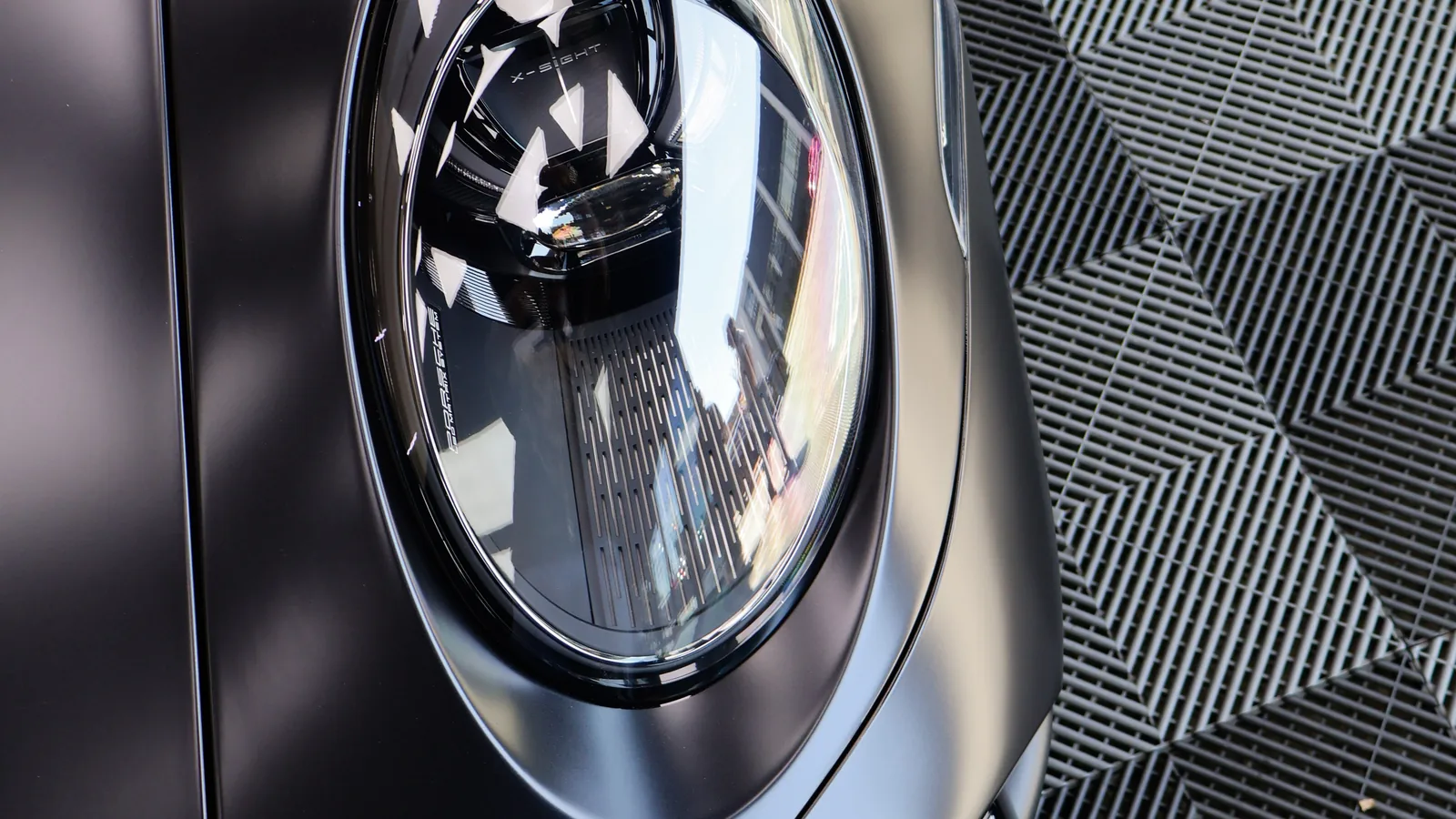
Choosing matte paint protection film without changing the intended look
The main question for the owner is straightforward: will the film preserve the finish, or will it make the finish look different? That is where finish-matching matters. A matte PPF installation should be selected and checked for how it behaves across the full surface, not only how it looks from a distance on a single panel. The same principle applies when the discussion turns to satin paint protection film. The objective is appearance control, not approximation.
At Executive Details, we work with XPEL STEALTH South Africa capability in that fit-for-purpose context. The value is not in a slogan. It is in whether the selected solution supports the intended look on a matte or satin surface once the vehicle is out in the real world. That means confirming how the film will sit on the finish, how visible the edges will be, and whether the result remains visually consistent on adjacent panels.
Owners often ask for PPF as if every film behaves the same way. It does not. On matte finishes, the installer must consider sheen shift, edge visibility and how the film responds to complex shapes. A film that seems acceptable on a straight panel can read differently on a sculpted bonnet line, a bumper corner or a mirror cap. The right recommendation depends on what the surface needs to maintain its original character.
That is also why our starting point is not product first. We look at the vehicle, the finish and the intended use. A car that is driven daily through busy routes has a different risk profile from a weekend vehicle that is carefully stored. The protection choice should follow that difference. If you want to review the broader protection context first, see our PPF guidance and our XPEL STEALTH overview before you decide how far you want to go.
Installation details that show up more on matte
Matte finishes are less forgiving of uneven work. A small edge, a lifted corner or a visible transition line can stand out more than it would on gloss paint. That is because the surface already carries a controlled visual texture. Any interruption in that texture becomes easier to notice.
Complex panels need particular care. Curved bumpers, deep recesses and tight edges demand a disciplined install process. If the film is pulled too hard, tucked poorly or trimmed in a way that exposes a clear boundary, the result can look inconsistent across the panel. The same applies to sensor areas and high-touch zones where fit matters as much as coverage.
This is why a specialist matte paint protection film installation is not only about applying material. It is about checking the relationship between the film, the panel shape and the finish under direct light. A good install should still look controlled when the vehicle leaves the studio and again after it has seen normal use.
Matte and satin aftercare that preserves the finish
Aftercare on matte paint should be calm, consistent and low-risk. Wash method matters. Drying method matters. So does what you do before you reach for any product. The aim is to remove contamination without changing the sheen or creating a patchy appearance.
We recommend a careful wash routine that avoids aggressive rubbing or anything that can alter the surface character. Drying should be controlled, not rushed. If the vehicle has picked up stubborn contamination, it is better to address it with a suitable process than to force it off with pressure. Matte finishes can show the result of impatience quickly.
Owners should also avoid products or habits that add unwanted gloss where none should exist. A finish that looks richer for a few hours may no longer look correct once the light changes. That is especially relevant on Frozen and Magno paint protection scenarios, where the finish itself is part of the vehicle’s identity. If the care product changes that identity, it is the wrong product.
What we check before recommending matte PPF
Before we recommend matte PPF, we check the surface, the finish and the intended use. That sounds simple, but it is where the real decision is made. We need to know whether the panel is consistent, whether the sheen is uniform, whether there are signs of previous correction, and whether the owner’s expectations align with what matte protection can realistically do.
- the current finish type and how it presents in direct light
- existing marks, stains, repair history or surface inconsistency
- where the vehicle is driven and how exposed it is to road contamination
- which panels are likely to show edge work or fit issues first
- whether a matte or satin appearance needs to be preserved exactly
- how the owner plans to wash and dry the vehicle after installation
That checklist keeps the recommendation grounded. It also prevents overpromising. Some matte surfaces are excellent candidates for protection. Others need more discussion before film is applied. The point is to avoid treating all matte finishes as one category and all outcomes as certain.
For owners in Johannesburg, that assessment is especially useful because daily use adds practical pressure to the finish. A protection decision that looks simple on paper can become expensive if it changes the look of the car or creates maintenance problems later.
Protect the finish without turning it into gloss
Matte, Frozen, Magno and satin finishes can be protected well, but only when the process respects what makes them different. The right matte paint protection film should preserve the intended look, not replace it. That starts with inspection, continues with finish-matching and ends with careful aftercare.
If you want protection without changing the character of the surface, the safest next step is a proper inspection and a recommendation based on the actual vehicle in front of us.
Book an inspection
Speak to EXD in Hyde Park if you want to protect a matte, Frozen, Magno or satin finish without forcing it into a gloss-paint routine. Book an inspection and we will assess the surface, the finish and the most suitable approach for your vehicle. book an inspection
About Executive Details: EXD works from a studio in Hyde Park and serves nearby areas including Sandton.
Executive Details, exdetails.co.za, Hyde Park studio, Johannesburg service area.
Protect the finish you want to preserve
Arrange an assessment of your matte or satin finish before choosing film.
Make a booking