


A repaired panel can look excellent from a distance and still need a very different approach once film is on the table. That is the real issue with PPF over resprayed paint. Many owners want the same result they would expect on factory paint, but the substrate is no longer the same, and the film behaves according to what is actually on the panel.
At Executive Details, the starting point is always the surface in front of us. We inspect, measure and decide from observed condition, not from generic timelines or a promise that all paint is ready because it has been sprayed. That is especially important on luxury vehicles, where finish quality, edge presentation and safe removal matter as much as the visual result.
Factory paint vs refinished paint: what changes for film adhesion
Factory paint gives the installer a known starting point. The film is applied to a finish that was built under controlled conditions, and the clear coat behaves in a more predictable way. Even then, the panel still needs to be clean, corrected where needed and checked for contamination before installation. But the baseline is more consistent.
Refinished paint changes that baseline. A resprayed panel may have a clear coat that is harder, softer, more textured or less uniform than the surrounding factory finish. It may also show variations in thickness, orange peel, dust nibs, polishing marks or masking edges that affect the final look of the film. None of that automatically rules out PPF, but it does change the conversation around paint protection film adhesion and edge finish.
This is where owners sometimes assume the film will hide the repaint. It will not. PPF follows the surface beneath it. If the paint is uneven, poorly decontaminated or not fully prepared, the film will reproduce those conditions rather than correct them. That is why the question is not only whether PPF on repainted panels is possible, but whether the panel is ready to accept film without creating avoidable problems later.
The installer also has to think beyond appearance. Adhesion is one part of the job. Longevity and future removal matter too. If the clear coat is weak, unstable or not properly bonded to the substrate below, the risk profile changes. A careful installer will see that as a reason to inspect more closely, not as a reason to rush the job.
Paint history questions that decide the recommendation
When an owner asks about PPF after respray, the first useful step is honest disclosure. The installer needs to know which panels were repaired, whether the paint is recent, whether any polishing was done after spraying, and whether the vehicle has already had a detail or correction process on those sections. Without that context, the decision is guesswork.
Paint history matters because adhesion is not just about what the panel looks like on the day. It is about how the coating system was built and how it has aged since the repair. A panel that was refinished properly and left to settle under the right conditions is a different proposition from a panel that was repainted quickly, handled aggressively or finished with unknown materials and unknown prep.
That is also why owners should not treat every repaired area as equal. One door may be fine. A bumper may need a different approach. A quarter panel may show one type of finish while another panel has visible edge issues or a different clear coat response. A good recommendation is built on those distinctions.
There is also a practical side to the conversation. If the owner is planning a long-term ownership path, wants the cleanest edge finish possible, or expects the film to come off safely later, the paint history becomes even more important. In those cases, the installer needs confidence that the surface can support the film now and release it predictably in future. That confidence comes from inspection, not assumption.
For that reason, resprayed car PPF should never be treated as a standard package decision. The right answer depends on whether the refinish was done well, whether the surface is stable, and whether the panel can be prepared to the level the film requires.
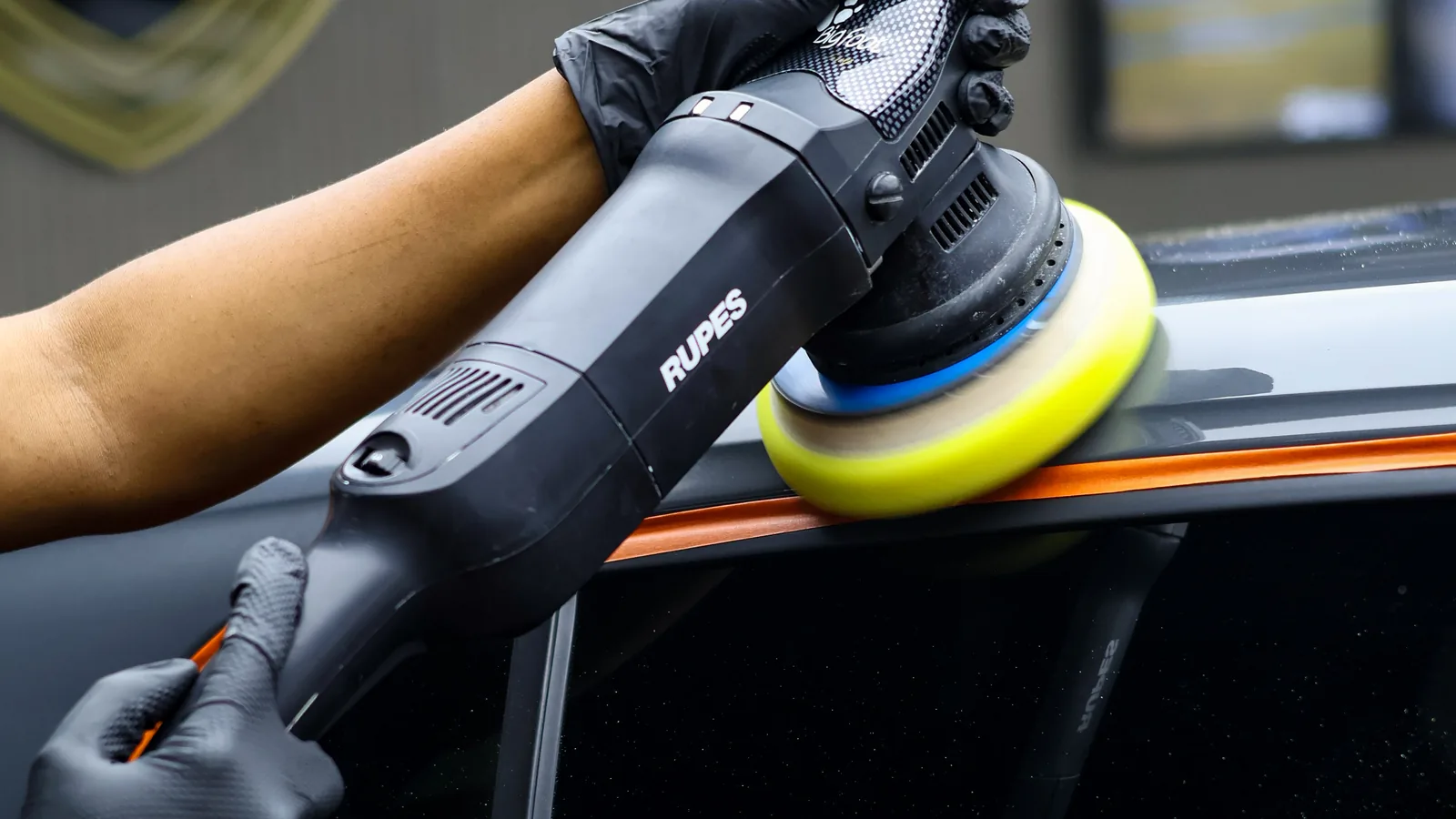
Curing readiness is judged from the panel, not from a generic timeline
One of the most common mistakes is to turn paint readiness into a fixed waiting period. That sounds neat, but it is too crude for real work. We do not decide on a universal number alone because fresh paint does not behave like a calendar entry. Readiness depends on how the refinish was completed, how the clear coat has settled and what the surface tells us during inspection.
That does not mean time is irrelevant. It means time is only one part of the picture. The installer still has to assess surface condition, check for contamination, review the finish quality and make sure the panel is not showing signs that would compromise adhesion or removal. If the coating is still too soft, still holding residue, or still responding poorly under inspection, the correct answer is to pause rather than force the install.
This approach protects the film and the vehicle. A panel that is not ready can create edge lift, trapped marks, poor edge finish or a surface reaction that becomes visible after installation. It can also make later removal more complicated. When the panel is ready, the film can do its job. When it is not, the problem often appears later, after the car has already left the workshop.
At Executive Details, the decision is based on observed readiness. We look at the panel itself, the surrounding paint, the correction history and the handling risk. That is more useful than a blanket rule, because it gives the owner a recommendation tied to the actual car rather than a generic promise.
What we check before we accept repainted panels for film
The inspection starts with the surface, not the brochure. We assess the panel by section and check whether the refinish is suitable for film. That means looking for contamination, finish inconsistency, visible correction marks, overspray concerns, edge quality and any signs that the panel may need more preparation before a film install can be considered.
Paint depth and surface behaviour matter here as well. We are not using those checks to impress anyone. We are using them to understand what sits under the clear coat and how safely the film can be applied. A panel that reads differently from the surrounding paint may still be fine for PPF, but it may also need extra care, a different coverage choice or a decision to leave it for later.
Preparation is part of the recommendation. If a resprayed section needs correction, we decide whether that correction can be done safely and whether it improves the outcome enough to justify proceeding. Sometimes the answer is yes, because the film will sit better and the edge finish will be cleaner. Sometimes the answer is no, because the surface does not warrant more intervention before it is rechecked.
This is where honest disclosure helps. If the owner tells us the paint history up front, we can plan the inspection properly and avoid wasted time. If the panel has been repainted, polished or touched in, we want to know that before the film goes on. That is the difference between a controlled install and a reactive one.
It is also where a careful workflow matters. On luxury vehicles, a small issue at the edge can be more visible than the owner expects. A film line that looks acceptable on factory paint may need more thought on a refinished panel. Coverage continuity, edge finish and the way the film terminates around contours all become part of the decision, not afterthoughts.
Installation and finish risks on refinished panels
The install itself can be straightforward when the paint is ready. The risk comes from the details. Complex body lines, tight edges, sharp curves and repaired surfaces all put more pressure on the film and the technician. On a refinished panel, those areas can reveal imperfections that were not obvious before the install started.
Contamination is another issue. If the surface holds residue, polish dust or unseen particles, the film may not settle cleanly. That can affect both the visual result and the way the panel ages under the film. This is why a careful installer does not simply clean and proceed. The surface must be verified before the film is committed.
Removal is part of the discussion too. A panel that is already compromised should not be asked to accept film without a clear view of what happens later. That is one reason owners should avoid assuming that PPF over resprayed paint will behave exactly like film on original factory paint. The job may still be the right one, but only after the substrate has earned that decision.
For owners, the takeaway is practical. Repainted panels are not a reason to avoid protection. They are a reason to slow down, disclose the history and let the installer inspect before committing. The better the information, the better the recommendation.
What to do next
If your car has repaired or repainted panels, lead with that information before you book. A proper recommendation for PPF after respray depends on the condition of the panel, the quality of the refinish and what the inspection shows on the day. At Executive Details, we assess the surface first, then decide whether the film, the prep or the timing needs to change. Tell the installer the paint history early, and the right inspection, correction and booking approach can be planned before any film is installed.
Assess the paint before choosing protection
Discuss the paint history and surface condition before deciding on PPF.
Make a booking