
.png)

Executive Details installs XPEL paint protection film in Johannesburg from its Craighall studio at 386 Jan Smuts Avenue. For owners comparing protection options, the real decision is not only whether to add PPF. It is also how much coverage the vehicle needs and how carefully the paint is prepared before installation.
We work to a simple principle: Prepare. Protect. Preserve. That means the film is one part of the system, not the whole answer. A well-chosen coverage plan, a proper assessment of the paint, and disciplined installation all affect the final result. For new cars, luxury vehicles and performance cars, that judgement matters more than a generic package name.
In practical terms, PPF is chosen to help manage the visible impact of everyday use. The painted surfaces still need to look right over time. Stone strike exposure, motorway debris and the general wear of regular driving can all influence how owners think about protection. XPEL paint protection film is used as a sacrificial layer. It works properly only when the surface is prepared correctly. The coverage plan must also match the way the vehicle is driven.
What the protection process is trying to achieve
XPEL PPF is best understood as part of a process rather than a single product decision. Prepare means the paint is assessed and brought to the right standard before installation. Protect means the chosen film is fitted to the vehicle in a way that suits the car and its use. Preserve means the finished result should help support the paint underneath over time, rather than hide rushed work or poor preparation.
This approach matters because owners often begin the conversation by asking for “PPF” in general. The better question is what parts of the vehicle need protection, what condition the paint is in, and how the car is used. A useful recommendation clarifies the route to the right outcome instead of treating every vehicle as if it needs the same answer.
For a new car PPF project, the objective is usually to protect fresh paint from the start. For a used vehicle, the objective may be different because the finish might already show swirls, chips, prior correction work or repair history. The process should be built around the actual car in front of us, not around assumptions based on age, price or badge alone.
Coverage choices owners usually compare
Owners comparing PPF options in Johannesburg normally look at two broad routes: full car PPF or focused coverage. Full car PPF covers a broader portion of the vehicle and suits drivers who want more consistent protection across the bodywork. Focused coverage is more selective and can make sense when the main concern is the panels and leading edges that take the most direct exposure.
That choice is not only about budget. It is also about how the car is driven and where the risk sits. A vehicle that spends more time on faster roads, in heavier traffic or on routes with more debris may justify a different recommendation from one that sees lighter use. The point is not to sell a bigger package by default. The point is to match the coverage to the car’s exposure.
It is also important to understand that coverage and preparation are linked. If the finish needs correction, or if there are questions around previous detailing or repair work, the recommendation should account for that before any film is installed. PPF can protect prepared paint well, but it should not be expected to solve every surface issue on its own.
That is why the quote conversation should always start with the vehicle, not with a fixed package name. A clear recommendation explains where protection makes the most sense, what scope is actually being proposed, and why that plan fits the owner’s use case.
What changes the quote and recommendation
A proper XPEL PPF assessment in Johannesburg is shaped by more than vehicle size. The condition of the paint is one of the first things to review. If the surface needs paint correction where appropriate, that affects the amount of preparation work before the film can be fitted. If there has been previous work, repairs or a coating applied at another stage, those details matter too.
We also look at the way the vehicle is used. Daily driving patterns, road exposure and the owner’s tolerance for visible wear all affect the recommendation. A car that is used frequently in harsher traffic conditions may need a different approach from a weekend vehicle. The film is there to support the paint, but the coverage has to be decided intelligently if it is going to be worth the investment.
Risk areas also guide the discussion. Front-end exposure, lower sections and other high-impact surfaces usually have a stronger case for protection than quieter areas of the car. In some cases, the recommendation is straightforward. In others, the decision is more nuanced because the finish, history and intended use all point in slightly different directions.
Measured where applicable, a careful assessment helps remove guesswork. It also helps separate what the film can do from what the paint itself still needs before installation. That is the judgement call that matters: the recommendation should be specific enough to be useful, but grounded enough to avoid overpromising.
Skipping this part reduces value. Owners end up with a coverage decision that looks neat on paper but does not reflect the real condition or exposure of the vehicle. A disciplined quote process is more useful because it reflects the actual car, not a generic template.
How the car is prepared before installation
Preparation starts with inspection. We review the paint condition, note the surfaces most likely to benefit from protection and identify anything that could affect film adhesion or finish. That early stage is important because the installation result depends heavily on what happens before the first panel is wrapped.
From there, the vehicle is decontaminated so the surface is ready for the next stage. If correction is appropriate, it is considered as part of the preparation process rather than as a separate cosmetic extra. The aim is not to overstate what correction can do. The aim is to create the best possible foundation for the film and the best possible result for the owner.
This is where the Prepare. Protect. Preserve. approach becomes practical. Prepare means the car is assessed and cleaned correctly. Protect means the selected XPEL film is installed with the right coverage. Preserve means the outcome is built to support the paint over time, not just to look good on collection day.
For a new car, this stage is especially important because “new” does not automatically mean “ready.” A delivery-mileage vehicle can still benefit from a proper inspection before the work is agreed. For a used car, the assessment can be even more valuable because it reveals whether the finish needs extra attention before protection makes sense.
That preparation logic is part of why the studio approach matters. A careful process does not rush from enquiry to install. It checks the vehicle, identifies the right scope and then moves forward with the right foundation in place. In premium paint protection, that sequence is a major part of the value.
Installation, quality checks and the warranty route
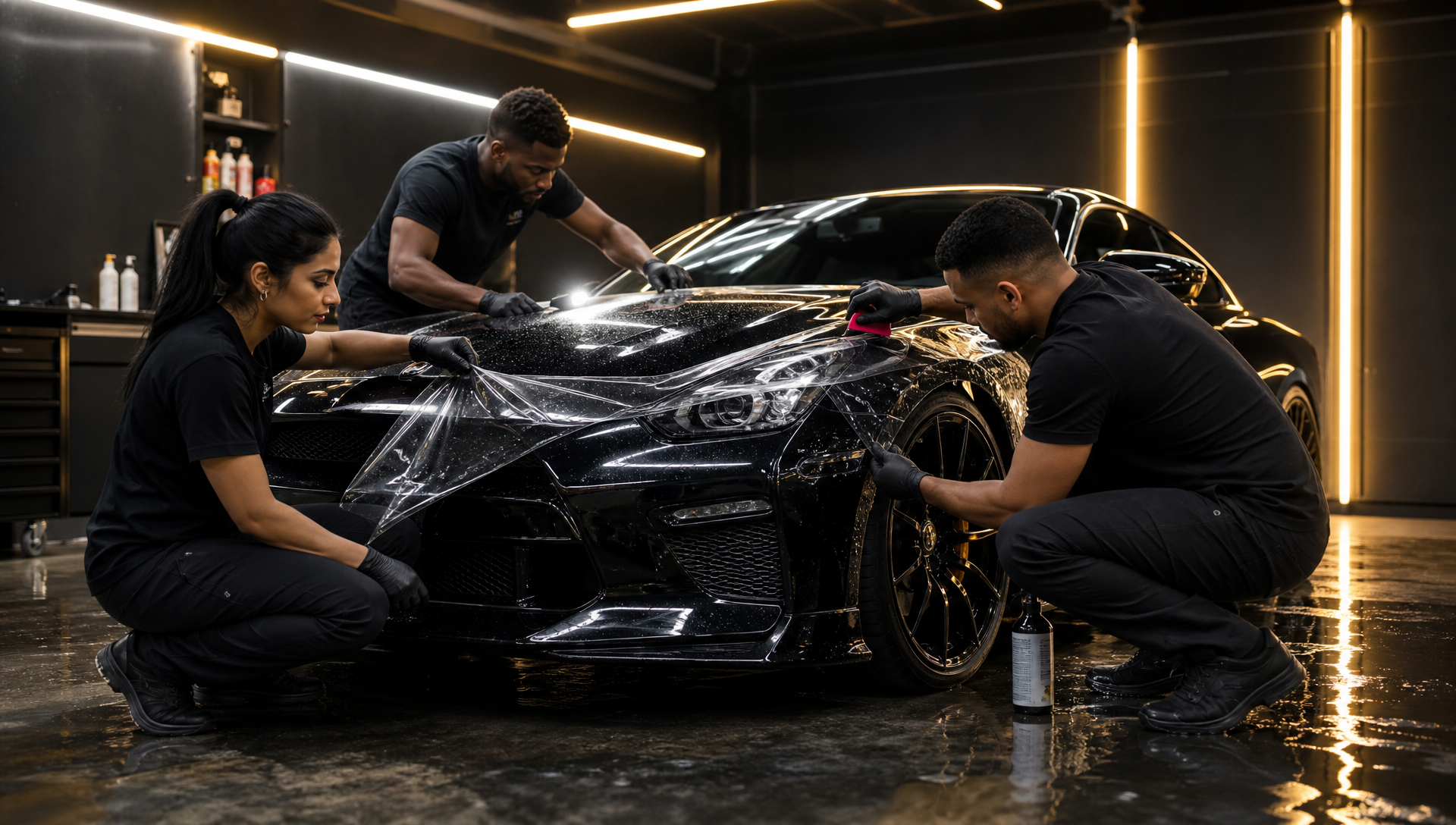
Our installation approach is controlled and methodical. The film should be fitted in a way that respects the body lines of the car, the relationship between adjacent panels and the visual finish owners expect from a premium vehicle. Good installation is not only about the film itself. It is also about how the details are handled.
Before delivery, the work should be checked carefully. That includes fitment, edge finishing, alignment and the overall consistency of the installation. Documentation matters as well, because the owner should leave with a clear understanding of what was installed and what coverage was recommended.
Warranty information should always follow the current film and coverage route quoted for the vehicle. We do not treat warranty as a generic line item. It should be tied to the confirmed XPEL solution being installed and reviewed from the current manufacturer and installer information at the time of quote. That keeps the conversation accurate and avoids outdated wording.
The same discipline applies to the installer relationship. A strong result depends on a studio process that knows how to judge the paint, choose the scope and finish the work properly. For the owner, the value is understanding how the decision is made and how the installation is checked before the vehicle leaves the studio.
That means the owner is not left guessing. They know what was assessed, what was recommended, and how the final work was verified before handover. For owners comparing XPEL installer options in Johannesburg, that clarity is often what turns interest into a booking.
Craighall location and nearby service areas
Executive Details is based at 386 Jan Smuts Avenue, Craighall, Johannesburg, which gives local owners a straightforward assessment point for PPF projects and coverage discussions. The studio serves owners from Craighall and nearby markets, including Sandton and Hyde Park.
The location matters because this is a decision-led service. Owners often want to see the vehicle, discuss the finish and understand the recommendation before they commit. A nearby assessment point makes that easier, especially when the conversation is about coverage, preparation and the right level of protection for a high-value car.
It also keeps the page grounded in real geography. Craighall is the studio location. Sandton and Hyde Park are nearby service areas only. The value lies in the consultation and installation process, not in pretending the studio is something it is not.
Quick questions before you book
Can a new car go straight into PPF?
Yes, a new car can be assessed for PPF soon after delivery. The important step is still inspection, because the paint should be checked before coverage is recommended.
What should I bring to the assessment?
Bring the vehicle and any useful information about recent paintwork, prior detailing or repair history. That helps shape the preparation and coverage recommendation.
What happens if the paint needs correction first?
If correction is appropriate, it should be considered before film installation. The recommendation should reflect the actual paint condition rather than a standard package alone.
Is full car PPF always necessary?
No. Full car PPF is one option, but focused coverage can be the better fit for some vehicles. The choice depends on use, condition and the level of protection the owner wants.
What should I expect after the assessment?
You should expect a clear recommendation, a coverage explanation and a quote shaped around the actual vehicle. The aim is to make the next step easy to judge without pressuring the owner into unnecessary scope.
About Executive Details
Executive Details is based at 386 Jan Smuts Avenue, Craighall, Johannesburg, and works with owners who want a careful, technically grounded approach to paint protection film. We assess the vehicle, explain the coverage options and build the protection plan around the paint condition and how the car is used.
Request an assessment and coverage recommendation
If you are comparing XPEL PPF options in Johannesburg, request a vehicle assessment with Executive Details. We will review the car, discuss the coverage choices and guide you toward the preparation path that fits the vehicle and how it is driven.