
.png)

Choosing paint protection film for a new luxury car in Johannesburg is rarely about finding a single winner. It is usually about matching the film, the installer and the vehicle’s condition to the way the car will actually be used. For many owners, the decision comes down to two recognised names: XPEL paint protection film and STEK paint protection film. Both sit in the premium PPF conversation. The right choice depends on verified product details, the finish you want and the standard of installation behind the film.
That matters more on luxury and performance cars. Factory paint, panel alignment, complex body shapes and visible edges can all affect the final result. A carefully installed new car PPF package can help protect the finish. The look and long-term appearance of the installation depend on more than brand name alone. For Johannesburg owners, local driving conditions and parking exposure also matter. So does how quickly the vehicle can be booked in for proper preparation.
Executive Details works with owners at 386 Jan Smuts Ave, Craighall, Johannesburg. The studio provides a specialist setting for comparing film options, coverage priorities and installation requirements before anything is fitted. Current service information is available at exdetails.co.za, and bookings or enquiries can be made through the site’s contact route.
What are you comparing in XPEL vs STEK?
Before comparing XPEL vs STEK, it helps to separate the product from the result. The film is only one part of the outcome. The other parts are vehicle preparation, pattern quality, edge finishing, panel alignment and how carefully the installer handles the car during application. A premium brand cannot compensate for poor prep or rushed workmanship.
For a luxury vehicle owner, the practical question is not only which brand has the strongest reputation. It is which option gives the right combination of clarity, fit, coverage and verified documentation for the vehicle in front of you. That is why it is useful to ask for the exact film range being quoted, the current warranty terms, and the installation process that will be followed.
It is also worth checking whether the package is designed for front-end protection, a partial wrap or broader coverage. The same brand can be used in different ways, and the protection level changes with the areas covered. A clear comparison starts with the use case, not the logo on the box.
Film documentation: what to verify with current product information
For both XPEL and STEK, current manufacturer documentation should be part of the decision. Check the product page or technical literature for the exact film series being proposed. Do not assume every product in a range offers the same features or warranty terms. If a supplier is recommending a specific line, ask for the current official information for that exact line.
Warranty wording deserves the same attention. Do not rely on general brand reputation when the written terms matter. Read what the warranty covers, what it excludes and whether there are conditions tied to installation, care or maintenance. If the dealer or installer refers to warranty support, make sure you receive the current terms in writing before you approve the job.
Appearance claims also need verification. Some film ranges are selected for gloss, some for a more subtle finish, and some may sit differently on certain paint colours or body shapes. If clarity or visual depth is important, compare the current product documentation and, where possible, see a sample installed on a similar vehicle. That is a more useful comparison than broad marketing language.
For a fair XPEL PPF vs STEK comparison, use the latest product sheet and warranty terms. The installer’s written scope of work matters too. Those three items tell you far more than a brand name alone.
Coverage planning: how to think about the car, not just the brand
Coverage should be decided around risk, use and how the vehicle is stored. Johannesburg driving can expose the front of the car to road debris, stone chips and repeated washing contact. On a performance saloon, coupé or SUV, the highest-value areas often include the front bumper, bonnet, front guards, mirrors and leading edges. Some owners also extend coverage to doors, side sills, roof or rear impact areas depending on use and parking habits.
The right plan depends on whether the car is a daily driver, a weekend car or a new delivery that you want protected from the start. A vehicle used every day on busy roads may need different coverage from one that mainly sits in secure parking. What matters is that the package matches the exposure points on that specific car.
Coverage also affects appearance. More wrap points can mean fewer exposed paint edges, but only if the installation is done carefully. Poorly planned coverage can leave visible transitions in awkward places or create unnecessary visual lines. Ask the installer where the film will end, how edges will be handled and which panels are being prioritised. That discussion is useful whether you choose XPEL paint protection film or STEK paint protection film.
Owners should also consider the condition of the vehicle before installation. If the paint already has chips or swirl marks, the coverage plan may need to change. It is better to identify those issues early than to assume the film will solve them.
Paint correction and prep: the step that shapes the final result
Paint correction before installation is often what separates a neat result from a merely adequate one. PPF can lock in the condition of the paint underneath it, so the surface should be assessed carefully before any film goes on. If there are swirl marks, oxidation, wash marring or light defects, they should be addressed before fitting where appropriate.
That does not mean every vehicle needs extensive correction. It does mean the installer should inspect the paint, explain what is visible and confirm what preparation is included. On a new car, the finish may still need decontamination or light correction depending on how the vehicle was delivered and handled. On a used luxury vehicle, the prep step becomes even more important because the film will sit over an existing surface.
Ask what the studio does before installation, how the paint is cleaned and whether the car is inspected under proper lighting. A professional process should be able to explain the steps clearly. If the preparation is rushed, the final look will usually show it.
Installer workmanship: fit, edges and seams matter
For premium cars, workmanship is not a minor detail. It is central to the result. Even the best film needs accurate placement, clean handling and careful finishing. The installer’s skill affects how close the film sits to panel edges, how visible seams are, and how naturally the film follows the vehicle’s shapes.
During a consultation, ask how the studio approaches complex areas such as bumpers, mirrors, vents and sharp body lines. These areas often reveal the difference between a careful installation and a basic one. Good workmanship should feel measured and controlled, not hurried. It should also include proper curing time and sensible aftercare instructions so the film can settle as intended.
Look for consistency in fit from panel to panel. The finished car should not rely on heavy visual distraction, uneven cuts or obvious tension points. A clean installation is especially important on luxury cars with large glossy panels, because any imperfections are easier to see.
Executive Details positions itself around that kind of specialist fitting environment, which is why the conversation should always include the installer, not only the brand. XPEL vs STEK is a useful comparison, but it only becomes meaningful when matched with an experienced installation process.
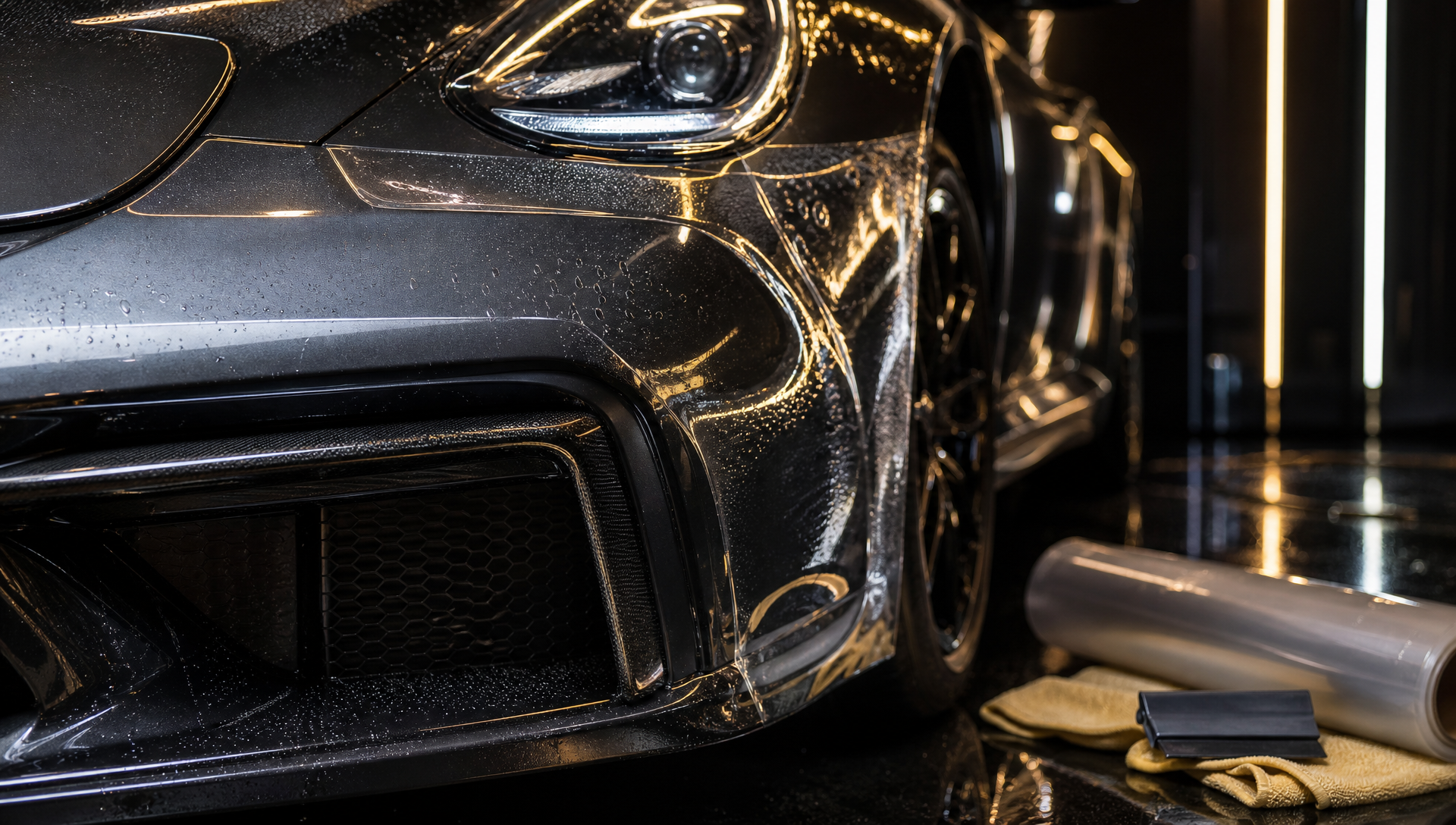
Maintenance and upkeep after installation
Once the film is fitted, maintenance becomes part of the ownership experience. Owners should follow the current care instructions supplied for the exact film and installation. That usually means being careful with cleaning methods, avoiding aggressive products and allowing the film to settle properly after fitting.
Routine washing should be gentle and consistent. A film can look good for a long time when it is cleaned correctly. Owners should also avoid habits that damage finishes, such as harsh brushes or unsuitable chemicals. If the vehicle is ceramic coated or has other surface treatments, the studio should explain how those products interact with the PPF.
It is also sensible to ask what to expect in the first days after installation. Some films and installations may show initial visual changes while they settle. A good installer should explain what is normal and what is not, so you are not left guessing after collection.
What to compare between XPEL and STEK
Use this checklist to compare the options without guesswork:
- The exact film range being quoted
- The current manufacturer warranty terms
- The recommended coverage areas for your vehicle
- How the studio handles paint correction and surface prep
- How edges, corners and seams are finished
- What the aftercare instructions require
- Whether the package suits daily use, weekend use or new car protection
- How the finished appearance will look on your paint colour and body shape
If you are comparing XPEL vs STEK seriously, bring the vehicle year, make and model. Also bring the intended use, desired finish, existing paint issues and your timeline for protection. Those details help the installer recommend a package that fits the car rather than a generic template.
For Johannesburg owners, that conversation should also include parking conditions, road exposure and whether the car needs to be protected immediately after delivery or after any correction work. The more specific the brief, the easier it is to judge the film and the installation on its actual merits.
How to make the final decision with confidence
XPEL and STEK both deserve a proper comparison when the vehicle is important, the paint is fresh and the finish has to look right. The better decision is the one supported by current product documentation, clear warranty terms, careful prep and a skilled installation. That is how luxury vehicle owners avoid buying on brand name alone.
In practice, that means asking the same questions of both options, comparing the same vehicle areas and checking the same paperwork. If one product is being quoted with better documentation, better fit for the intended finish or a clearer installation plan, that may matter more than any generalised brand debate.
If you want help comparing XPEL PPF vs STEK for your car, Executive Details can walk you through the options, inspect the vehicle and discuss the right coverage for Johannesburg driving conditions. Review the current PPF service information at exdetails.co.za or use the booking/contact route on the site to arrange a consultation at 386 Jan Smuts Ave, Craighall, Johannesburg.
Book a consultation
Compare XPEL vs STEK with the vehicle, the finish and the installation details in mind, then choose the package that fits your ownership needs. Bring your car’s year, make and model, intended use, desired finish, current paint condition and timeline, and get a specialist opinion before you commit.